

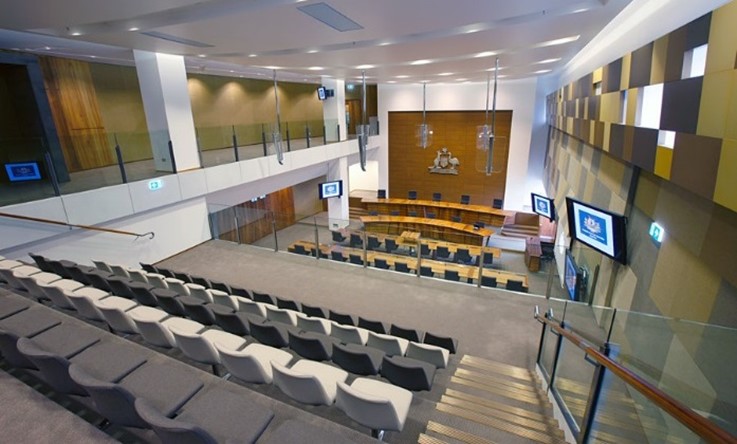
In an increasingly connected world, the expectation for transparency and accessibility in local governance is higher than ever. Providing remote access to public meetings isn’t just about compliance; it’s a powerful tool for fostering civic engagement, ensuring inclusion, and building a stronger community. Yet, many local governments struggle to implement effective solutions, often facing technical hurdles and resident frustrations.
At ELB Global, we understand these challenges and the immense value in overcoming them. Let’s explore why robust remote meeting access is crucial and the technology enabling it.
The Unspoken Demand: Why Residents Need Remote Access
While some cities might have established sophisticated streaming setups, many municipalities lag, leading to common complaints from residents:
- Scheduling Conflicts: Work, family obligations, and travel often make in-person attendance impossible, especially for busy individuals or single-parent households.
- Mobility Issues: Elderly residents, individuals with disabilities, or those without reliable transportation are often excluded from participating in their local government.
- Lack of Childcare: Attending evening meetings can be a significant barrier for parents who cannot secure or afford childcare.
- Weather and Safety: Inclement weather or local emergencies can prevent attendance, yet critical decisions still need to be made.
- Desire for Passive Observation: Many residents simply want to stay informed without needing to actively participate, making a live stream or recording ideal.
- “Our internet is terrible!” This is a frequent refrain, highlighting the core technical challenge in many areas.
These complaints aren’t just minor grievances; they represent a significant portion of the community feeling unheard and disengaged. Providing remote access isn’t a luxury; it’s a fundamental aspect of modern governance that champions inclusivity and democratic participation.
The Technology Solution: Making Remote Meetings Seamless
Implementing effective remote access for local government meetings requires a thoughtful approach to both network infrastructure and meeting room technology.
1. The Foundation: Improved Network Speed & Reliability
A shaky internet connection is the enemy of smooth streaming.
- Dedicated Bandwidth: Ensuring the municipal facility has dedicated, robust internet bandwidth, separate from general office use, can prevent buffering and dropped connections during meetings.
- Redundancy: Implementing backup internet connections (e.g., a cellular failover) can prevent meeting disruptions due to primary service outages.
- Fiber Optic Solutions: Advocating for or investing in fiber optic infrastructure offers the long-term solution of symmetrical upload and download speeds, essential for high-quality video streaming.
2. Crystal Clear Communication: Meeting Room Audio & Visuals
Poor audio and blurry video are just as frustrating as a dropped stream.
- Intelligent Microphones: Implementing beamforming or boundary microphones specifically designed for conference rooms ensures that all speakers, even those sitting further from a central mic, are heard clearly by remote participants. These adapt to the speaker’s location, reducing background noise.
- Digital Signal Processors (DSPs): These devices are critical for optimizing audio, eliminating echo, feedback, and ensuring consistent volume levels.
- High-Definition PTZ (Pan-Tilt-Zoom) Cameras: Multiple cameras or a single intelligent PTZ camera can automatically frame speakers, offering a dynamic and engaging visual experience for remote viewers, much better than a static, wide-angle shot.
- Dedicated Encoders & Streamers: Instead of relying on a laptop’s processing power, dedicated hardware encoders ensure a consistent, high-quality stream without taxing the meeting room PC.
3. User-Friendly Platforms & Archiving
The chosen platform needs to be accessible and provide valuable resources.
- Reliable Streaming Platforms: Services like YouTube Live, Vimeo, or dedicated government streaming platforms offer stable infrastructure, viewer analytics, and easy sharing.
- Automated Recording & Archiving: All meetings should be automatically recorded and easily searchable on the city’s website, allowing residents to catch up at their convenience.
- Closed Captioning & Translation: For ultimate inclusivity, consider platforms that offer live closed captioning or even AI-powered translation services.
The ELB Advantage: Your Partner in Transparent Governance
Implementing these solutions can seem daunting for local government entities. That’s where ELB Global comes in. We specialize in designing, integrating, and supporting AV and technology solutions tailored to your specific needs and budget. From robust network assessments to intelligent meeting room design and ongoing support, we ensure your residents can truly connect with their local government.
Don’t let technical hurdles stand between your municipality and its citizens. Contact our team today for a consultation on how we can help you build a more inclusive and engaged community.